From Mediolanum to a Modern Metropolis
As you traverse the city streets, you are riding through layers of history—Roman ruins, Renaissance palaces, and futuristic skyscrapers.
Table of Contents
Origins: Mediolanum and the Romans
Milan's history begins long before the fashion boutiques. Known as Mediolanum, it was a crucial city in the Roman Empire, even serving as the capital of the Western Roman Empire for a time. As your bus passes the Colonne di San Lorenzo, you are looking at genuine Roman columns that once lined a street leading to a city gate.
Though much of Roman Milan is hidden beneath modern streets, traces remain. The layout of the city center still reflects the Roman grid in places, and archaeology continues to uncover forums, theaters, and walls. Riding through the center, you are literally on top of an imperial capital that rivaled Rome itself in importance during the 4th century.
The Age of the Communes and the Visconti
After the fall of Rome and periods of turmoil, Milan emerged as a powerful free commune in the Middle Ages. It fought for its independence against emperors, famously facing Frederick Barbarossa. This fierce spirit of autonomy is still part of the Milanese character today.
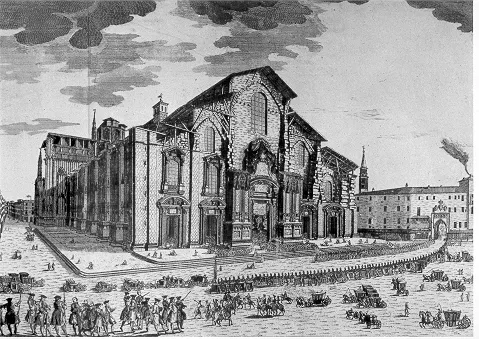
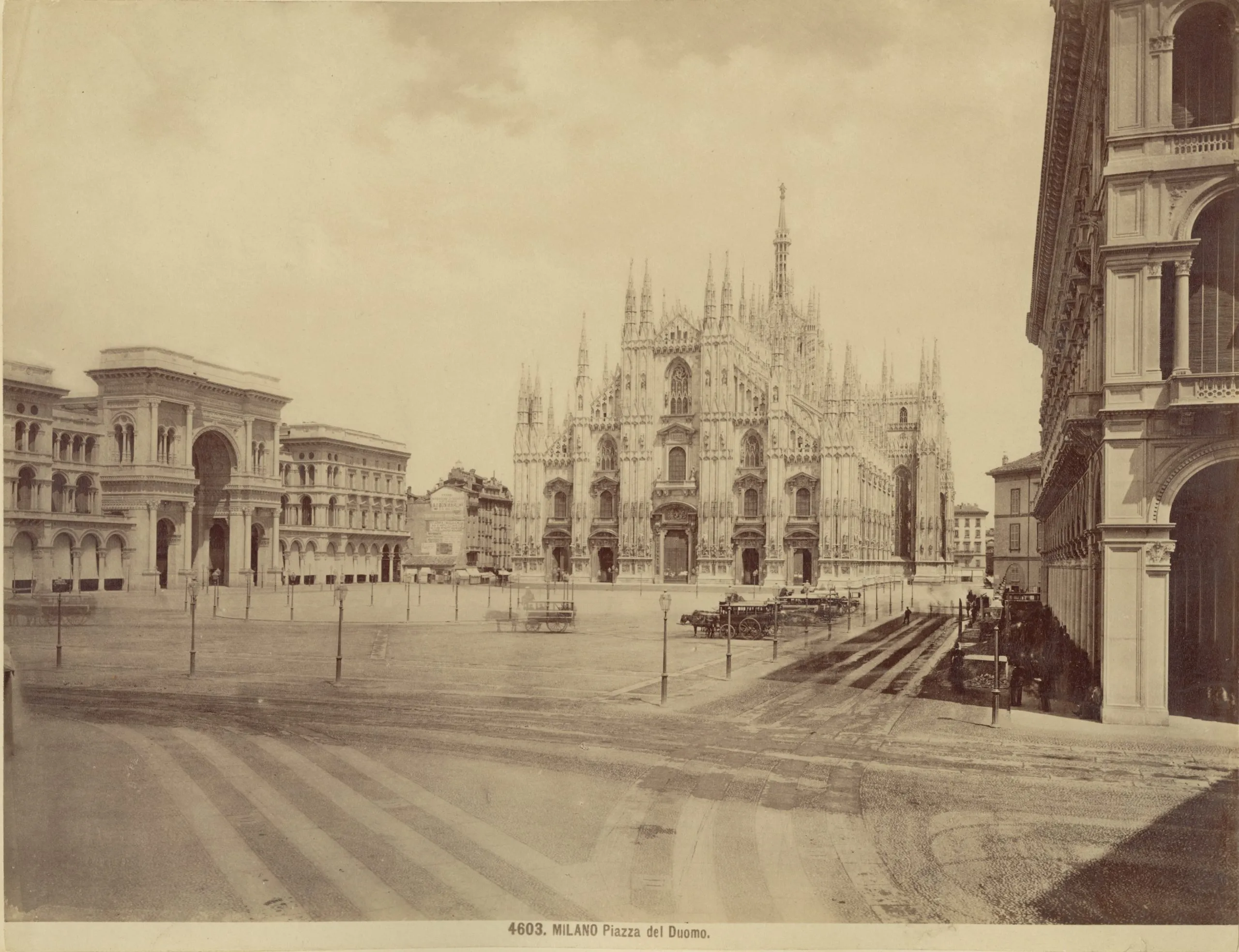
The Visconti family eventually took control, transforming the commune into a Signoria and then a Duchy. They began the construction of the Duomo in 1386, a project that would take nearly six centuries to complete. As you gaze at the cathedral from the bus, remember that its foundation was laid when knights still roamed Europe, ordered by a dynasty that wanted to create a monument to rival the greatest in France and Germany.
The Sforza Dynasty and the Renaissance
The Sforza family succeeded the Visconti and ushered in Milan's Golden Age. Ludovico il Moro turned his court into one of the most brilliant in Europe, inviting Leonardo da Vinci to work here. It was under Sforza patronage that Leonardo painted *The Last Supper* and designed canal locks for the Navigli.
The Castello Sforzesco, a major stop on the bus route, was the seat of their power. Originally a fortress, it was beautified into a Renaissance residence. Today, it stands as a symbol of the city, housing museums and art collections. Passing by its red brick walls, you can imagine the courtly life, intriguies, and artistic explosions that happened within.
Spanish and Austrian Rule
Milan's strategic richness made it a prize for foreign powers. For centuries, it was ruled by Spain and then Austria. The Spanish period is often remembered for economic stagnation and the plague, famously described in Manzoni's novel *The Betrothed*.
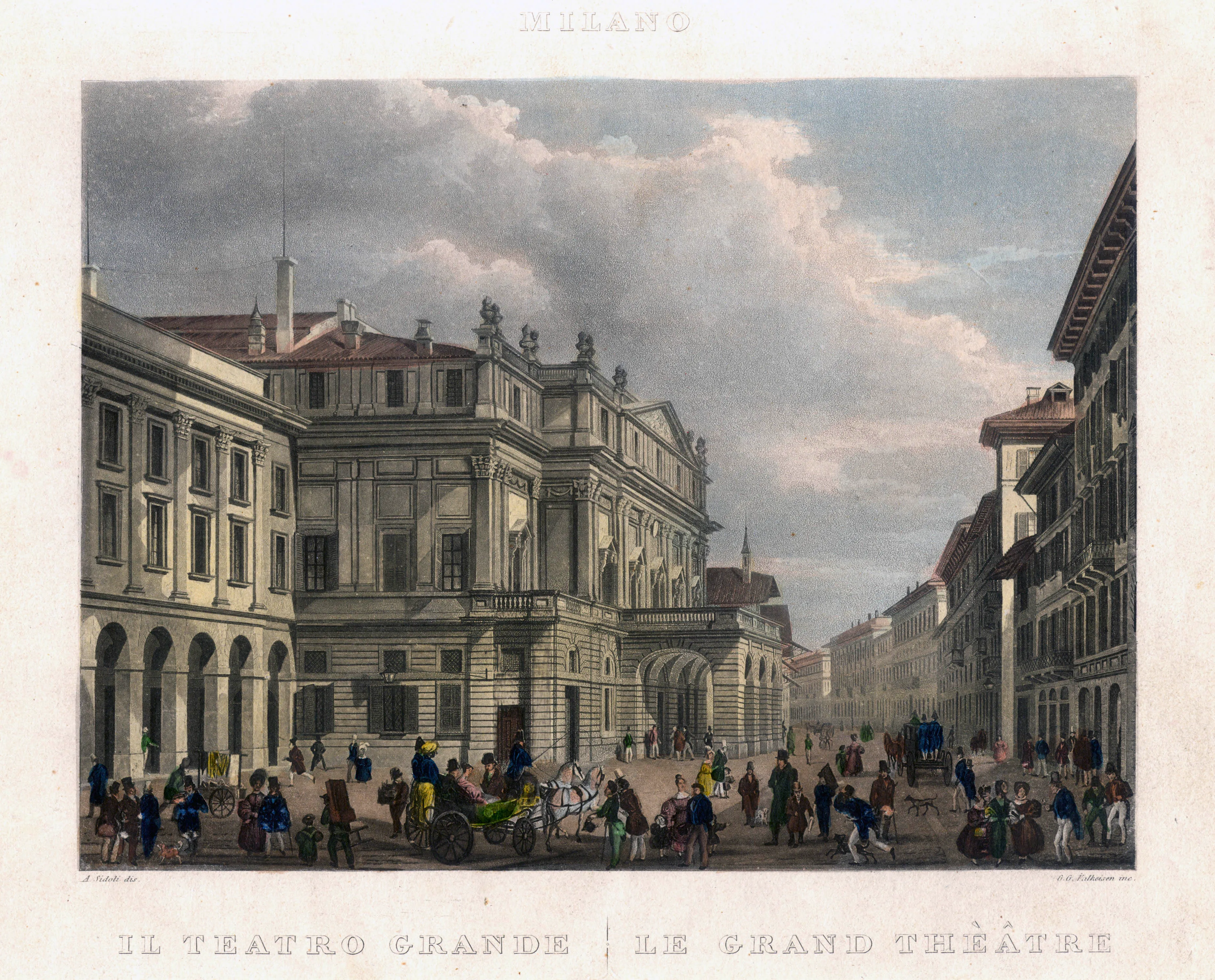
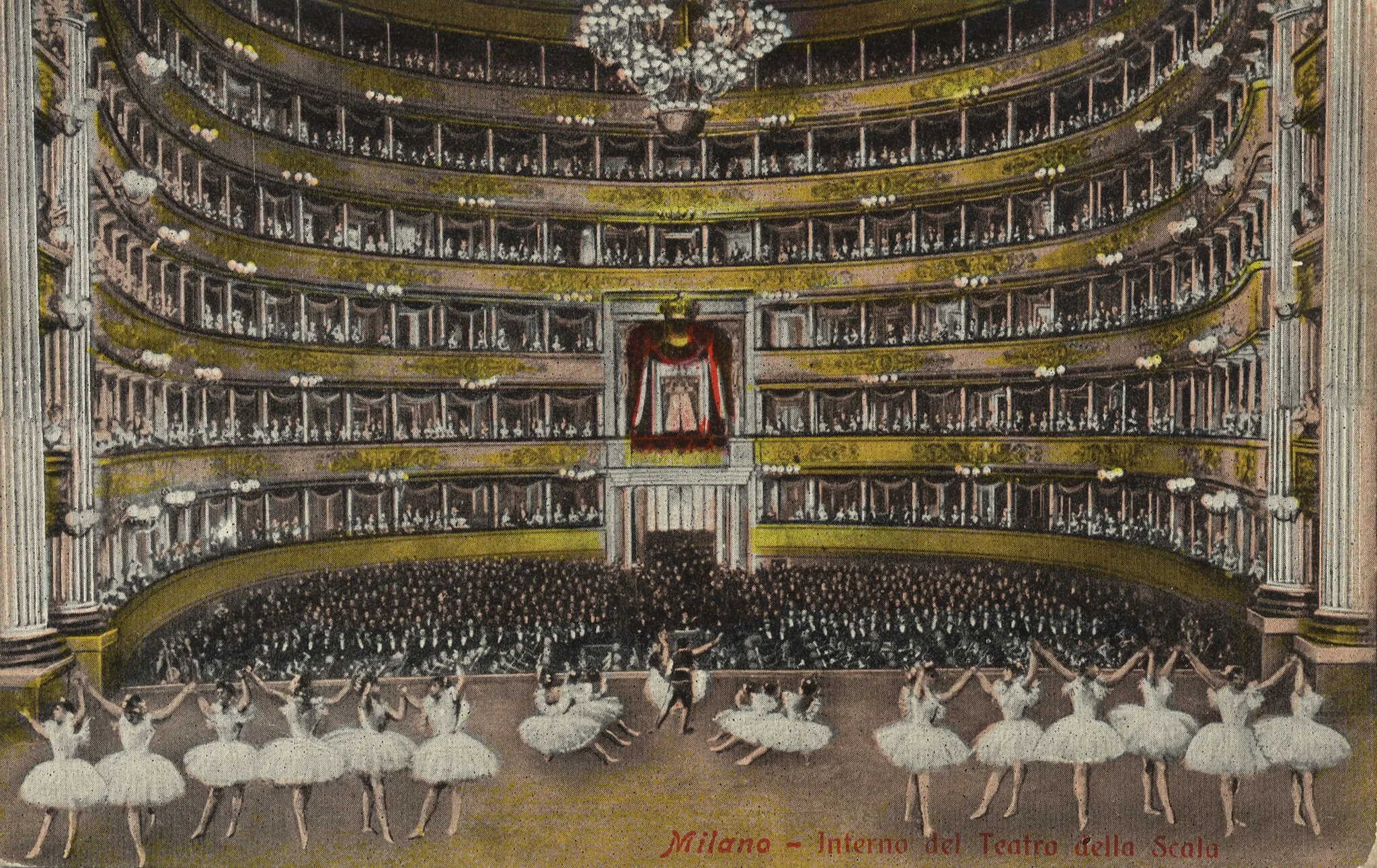
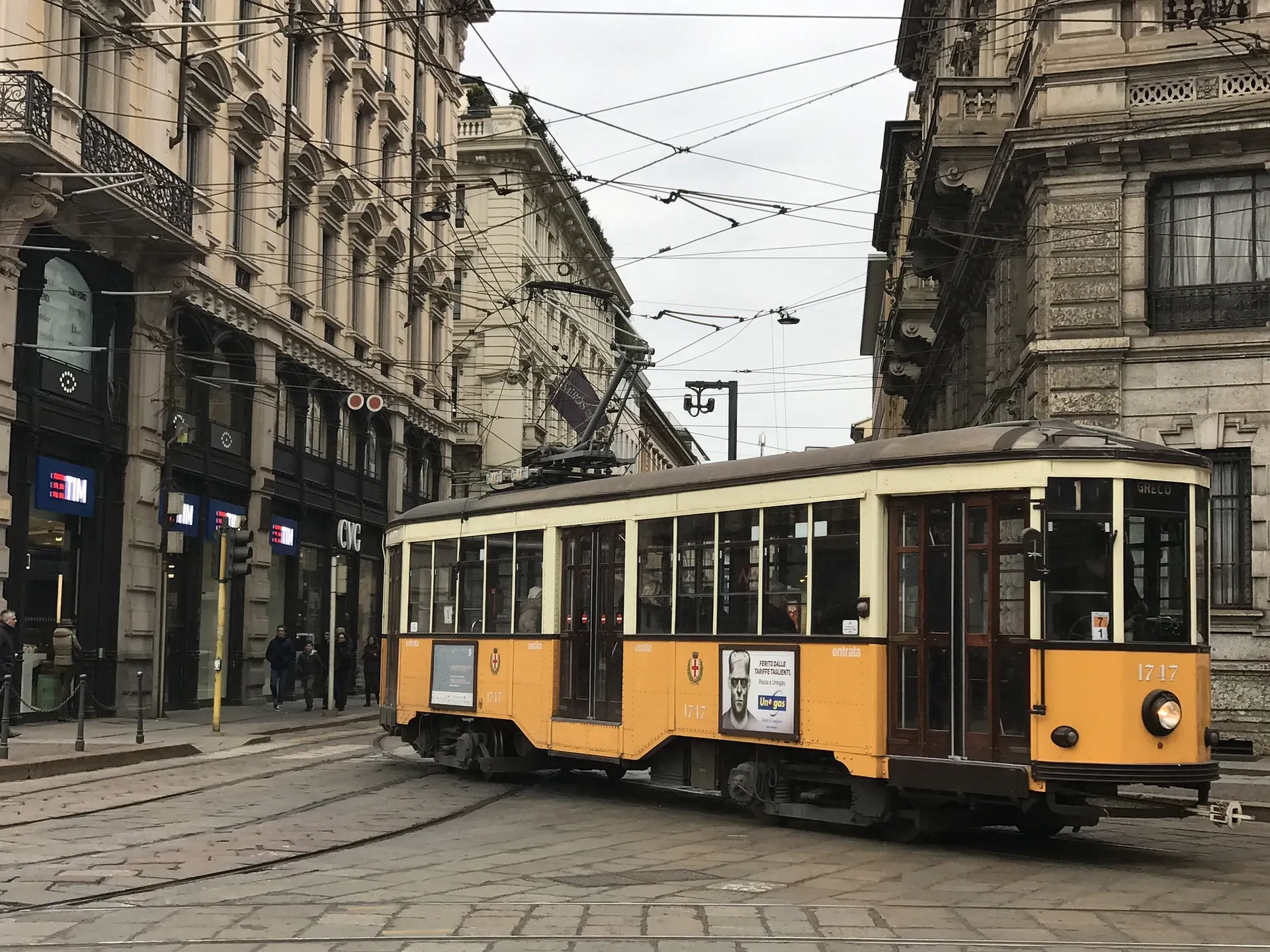
The Austrian era, particularly under Maria Theresa, brought enlightened reform and urban planning. The Teatro alla Scala was built during this time, and the city gained many of its elegant Neoclassical facades. The yellow 'Old Milan' trams you see sharing the road with your bus are a color often associated with this period of orderly, efficient administration that left a lasting mark on the city's infrastructure and culture.
Napoleon and the Kingdom of Italy
Napoleon Bonaparte had grand plans for Milan, crowning himself King of Italy in the Duomo. He envisioned Milan as a new Rome. The Arco della Pace, which you might see near Parco Sempione, was intended to welcome him triumphantly (though it was finished after his fall and rededicated to peace).
This period injected a burst of energy and French influence into the city. Streets were widened, and the city's layout was modernized. Napoleon's presence solidified Milan's role as a political and intellectual capital, fueling the fires of Italian nationalism that would come later.
The Risorgimento and Unification
Milan was the heart of the Risorgimento, the movement for Italian unification. The 'Five Days of Milan' in 1848 was a popular uprising that temporarily drove the Austrians out. The city's passion for liberty and unity is commemorated in the names of many streets you'll travel along.
When Italy was finally unified, the Galleria Vittorio Emanuele II was built to celebrate the first king. Riding past this 'drawing room of Milan,' you see a monument not just to commerce, but to the newfound national pride of the late 19th century—a cathedral of glass and iron dedicated to the new nation.
Industrialization and the Early 20th Century
As the 20th century dawned, Milan became Italy's economic engine. Factories sprang up, and the city expanded rapidly beyond its old Spanish walls. It was a hub for Futurism, an art movement that celebrated speed, technology, and the industrial city.
The Central Station, a colossal mix of Art Deco and fascist grandeur, was built in this era. Your bus route might take you near this architectural beast, which symbolizes the city's ambition to be a major European transport hub, connecting Italy to the north.
World War II and Reconstruction
Milan suffered heavily during World War II, with allied bombings destroying large parts of the city center and damaging the Duomo, La Scala, and the Brera Academy. The scars were deep, both physically and psychologically.
But the Milanese spirit is one of resilience. The reconstruction was rapid and determined. The city didn't just rebuild; it reinvented itself. Experimental architects were given free rein, leading to the unique mix of historic and modernist buildings you see today. The Torre Velasca, with its mushroom shape, is a famous example of this post-war creativity reinterpretating medieval forms.
The Economic Boom and Modern Milan
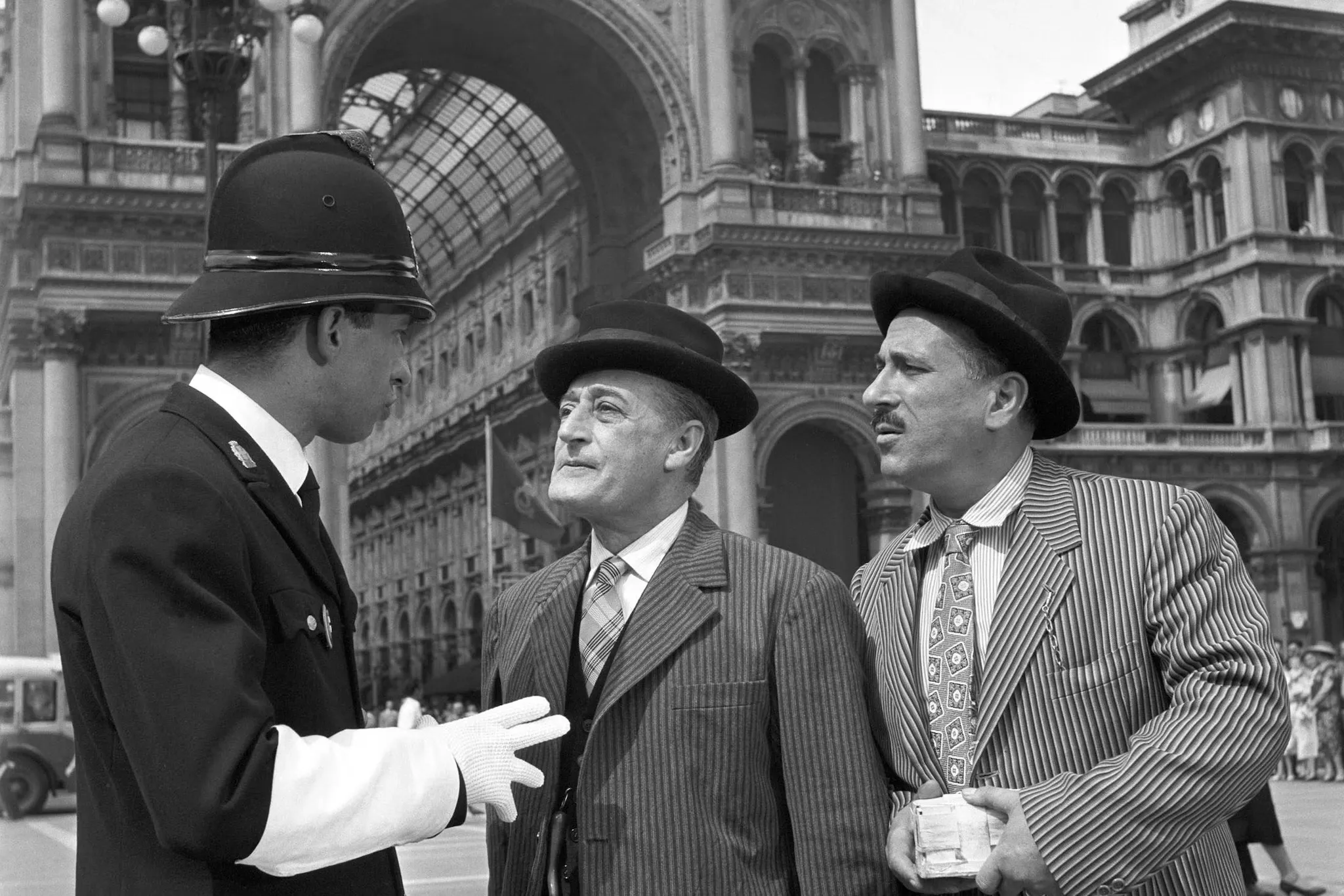
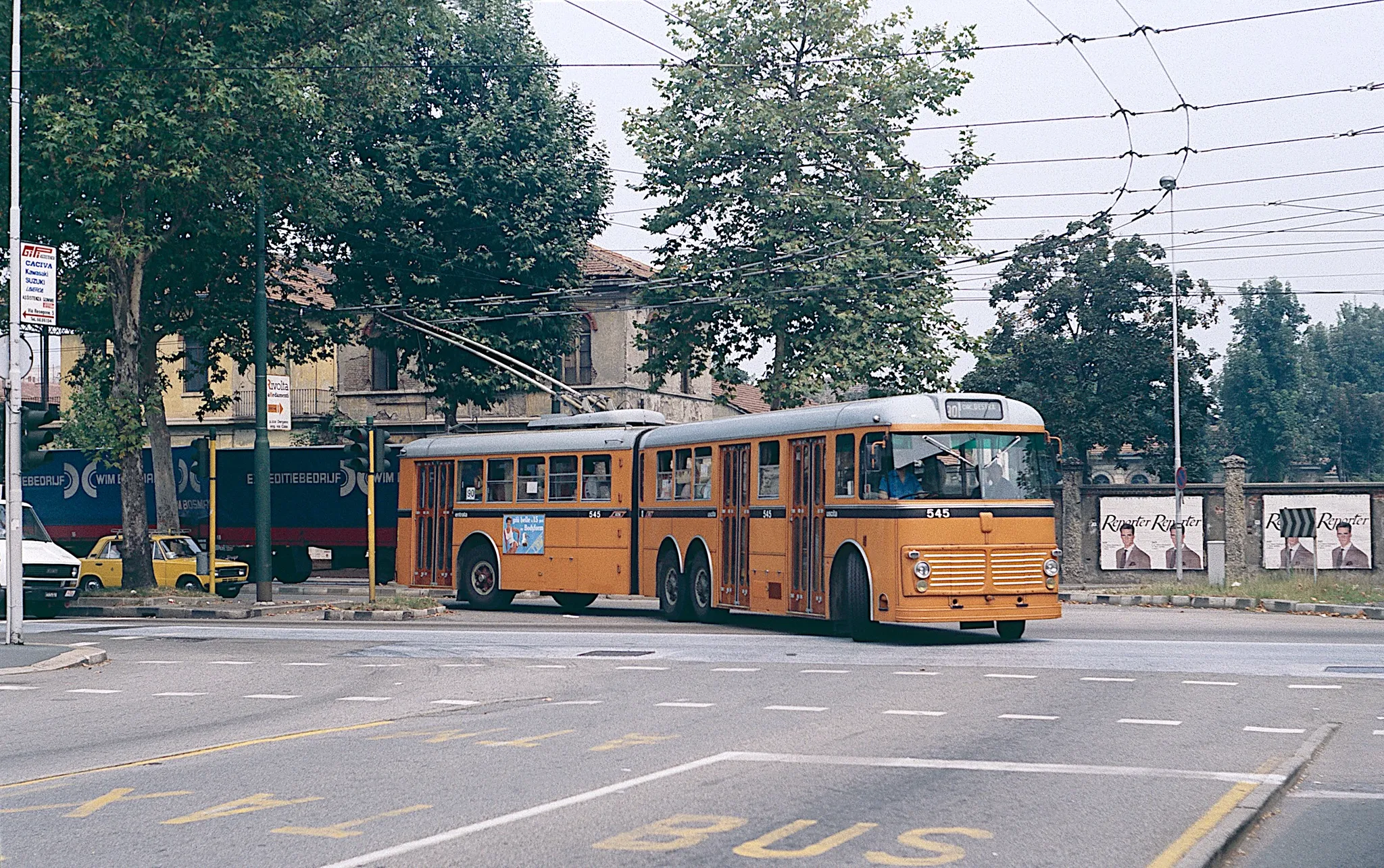
In the 1950s and 60s, Milan led Italy's 'Economic Miracle.' It became a city of opportunity, attracting workers from all over the south. The Pirelli Tower, an elegant modernist skyscraper, rose as a symbol of this new prosperity and confidence.
During this time, Milan cemented its reputation as the driver of the Italian economy—pragmatic, hardworking, and forward-looking. Driving through the business districts, you can feel the pulse of a city that never really stops working.
The Fashion Capital
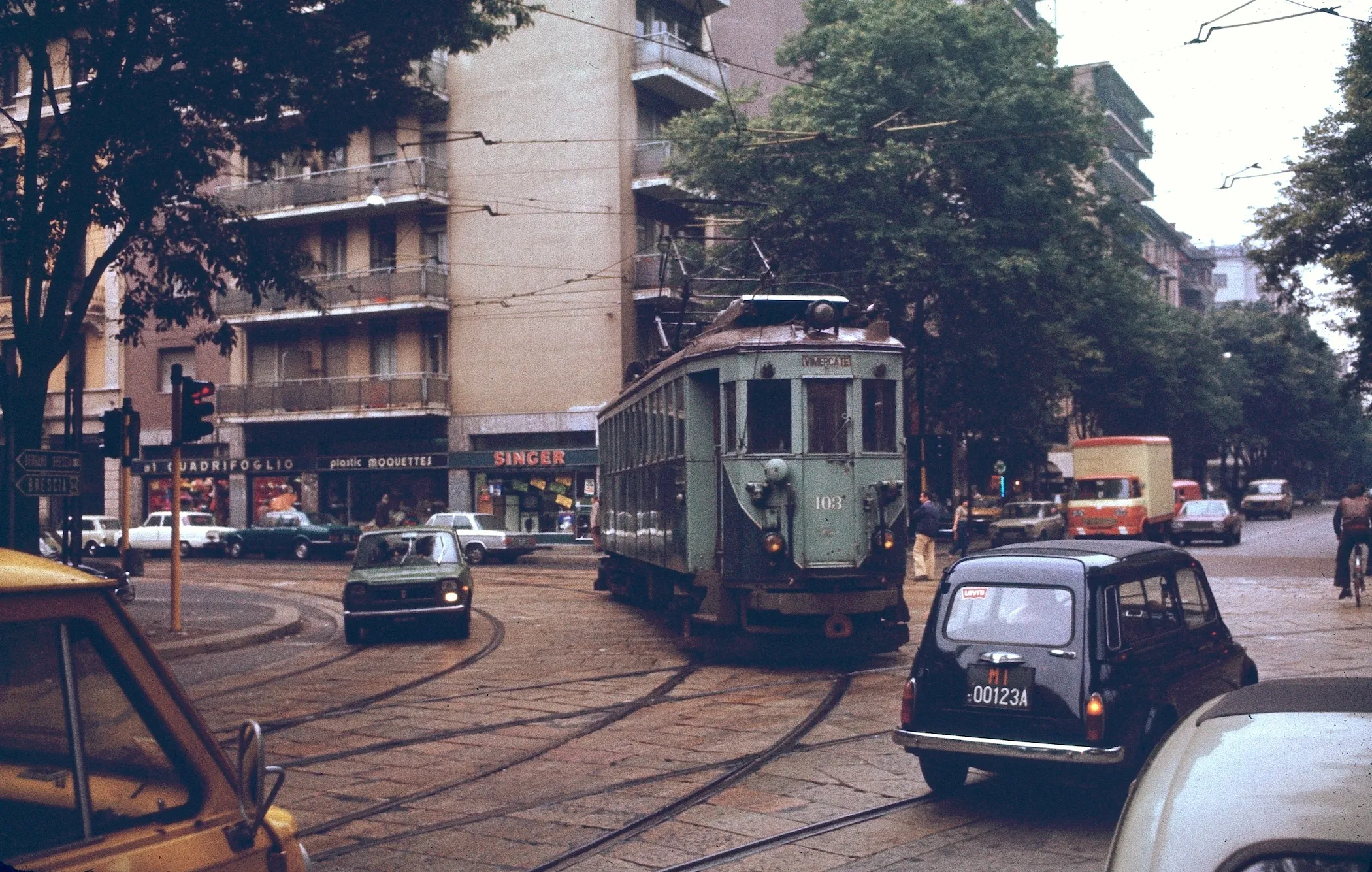
From the 1970s and 80s onwards, Milan became synonymous with fashion. Designers like Armani, Versace, and Prada turned the city into a global style runway. The 'Quadrilatero della Moda' is the beating heart of this industry.
As your bus circles the city center, you are never far from a flagship store or a design studio. Fashion isn't just an industry here; it's part of the culture. Even the passersby on the street often look like they've stepped out of a magazine, maintaining the city's reputation for 'bella figura.'
Art and Culture: La Scala and Brera
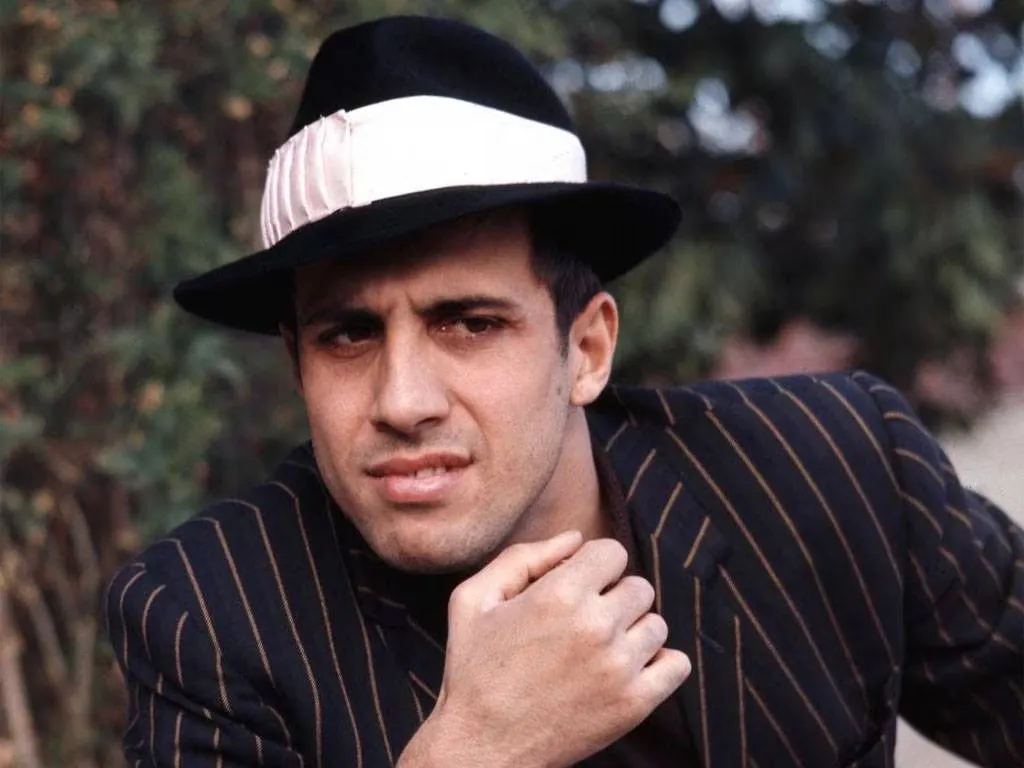
Beyond business and fashion, Milan is a cultural giant. Teatro alla Scala is perhaps the most famous opera house in the world, a temple for Verdi and Puccini. Hopper off here puts you on hallowed musical ground.
Nearby, the Brera district is the artistic soul of the city, home to the Academy and the Pinacoteca, filled with masterpieces by Raphael and Caravaggio. Its narrow, cobbled streets offer a bohemian contrast to the wide avenues, perfect for a wandering break from the bus ride.
The Future: Porta Nuova and CityLife
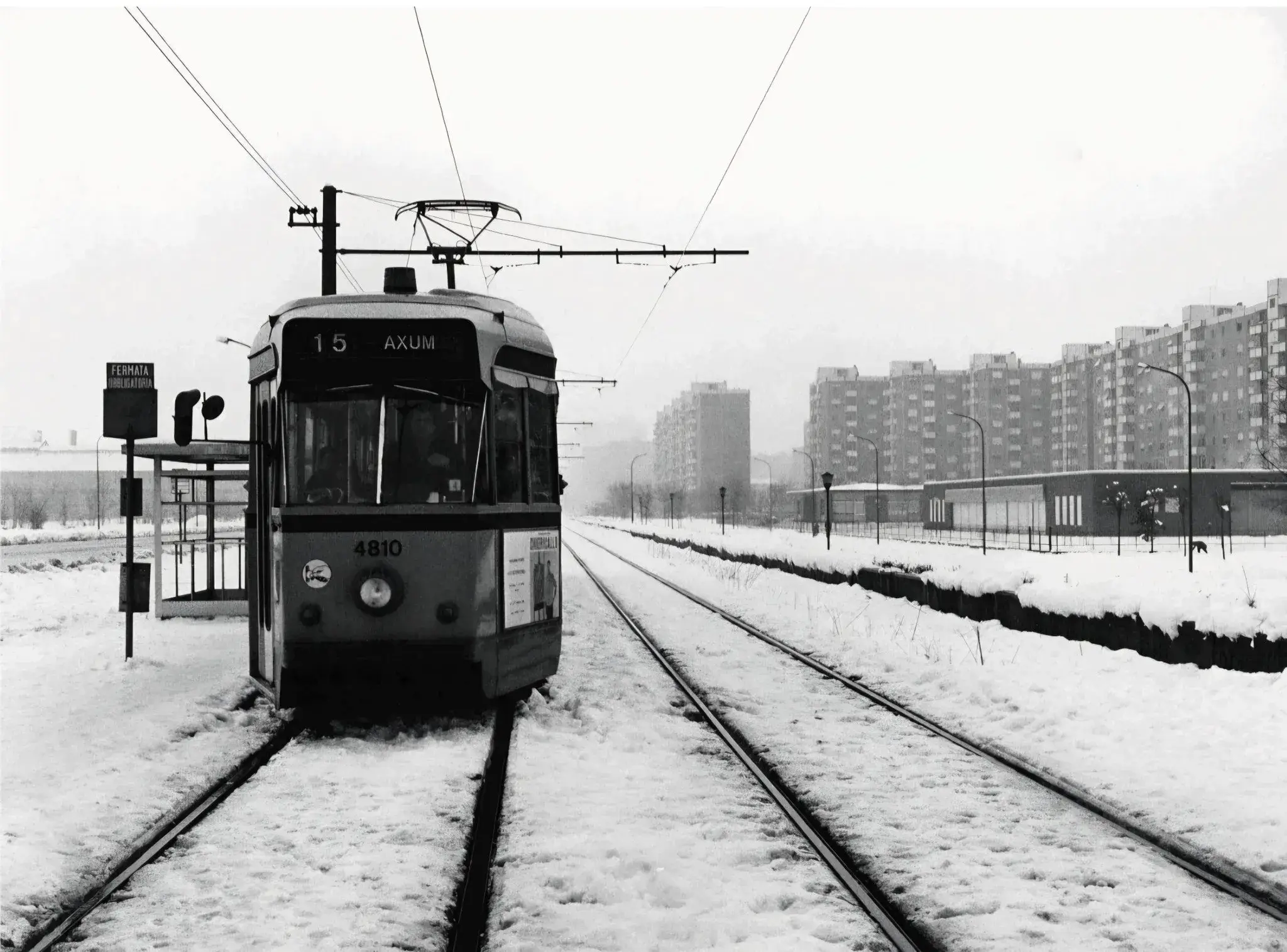
Milan never stops evolving. In recent years, entire new districts have risen. Porta Nuova boasts the Vertical Forest, two residential towers adorned with trees, symbolizing a commitment to sustainability. CityLife features towers by world-renowned architects like Hadid and Libeskind.
These areas represent 21st-century Milan: international, green, and daring. The hop-on hop-off bus connects these futuristic zones with the ancient center, allowing you to travel through time in just a few stops.
Milan's Enduring Spirit
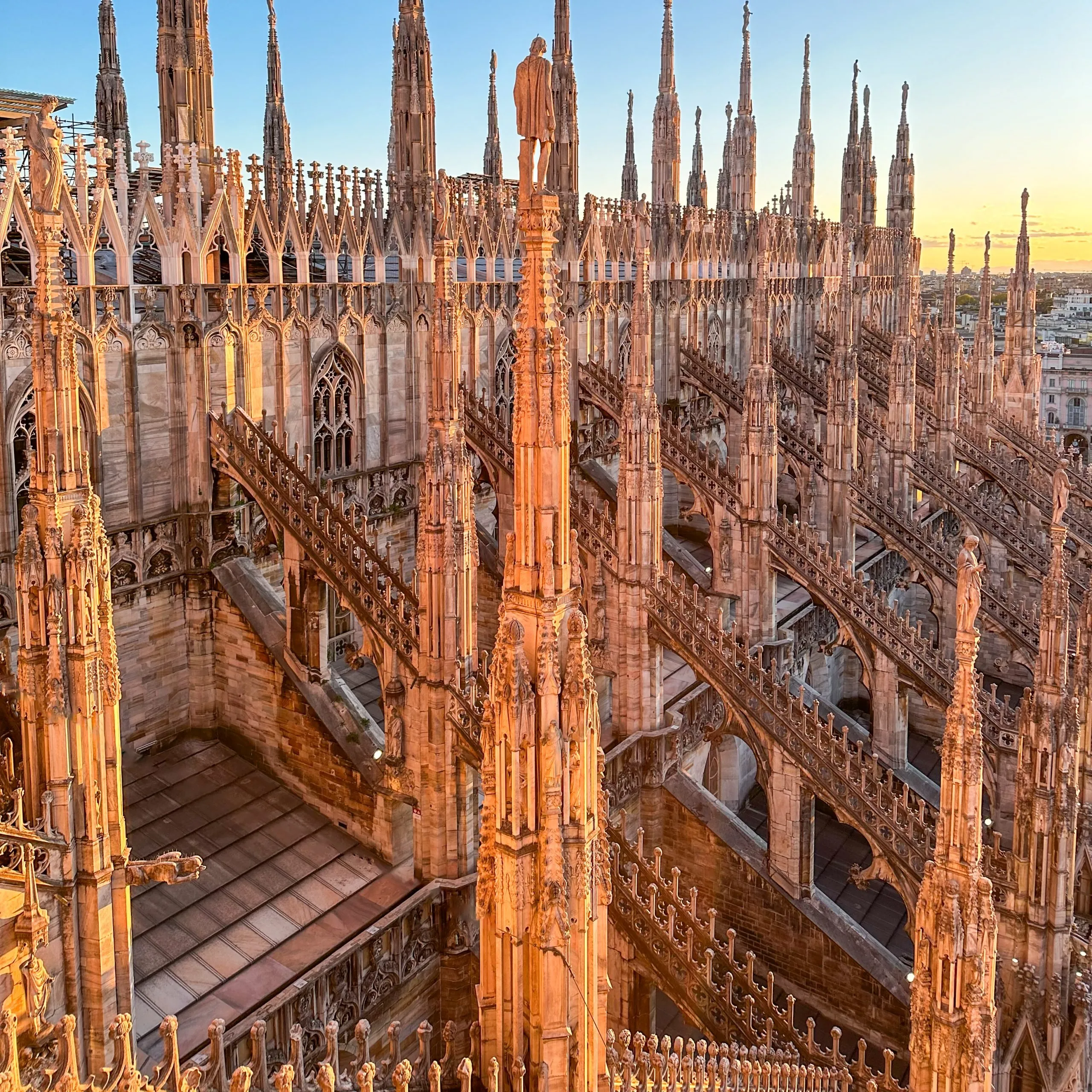
Milan is often called the 'moral capital' of Italy. It is a city of doers, artists, and innovators. It may not have the gentle light of Rome or the seaside charm of Naples, but it has an energy that is addictive.
Your journey on the hop-on hop-off bus is more than a sightseeing tour; it's an introduction to a city that has reinvented itself a dozen times and continues to lead Italy into the future. From Roman stones to glass skyscrapers, Milan is a story of constant motion.
Table of Contents
Origins: Mediolanum and the Romans
Milan's history begins long before the fashion boutiques. Known as Mediolanum, it was a crucial city in the Roman Empire, even serving as the capital of the Western Roman Empire for a time. As your bus passes the Colonne di San Lorenzo, you are looking at genuine Roman columns that once lined a street leading to a city gate.
Though much of Roman Milan is hidden beneath modern streets, traces remain. The layout of the city center still reflects the Roman grid in places, and archaeology continues to uncover forums, theaters, and walls. Riding through the center, you are literally on top of an imperial capital that rivaled Rome itself in importance during the 4th century.
The Age of the Communes and the Visconti
After the fall of Rome and periods of turmoil, Milan emerged as a powerful free commune in the Middle Ages. It fought for its independence against emperors, famously facing Frederick Barbarossa. This fierce spirit of autonomy is still part of the Milanese character today.
The Visconti family eventually took control, transforming the commune into a Signoria and then a Duchy. They began the construction of the Duomo in 1386, a project that would take nearly six centuries to complete. As you gaze at the cathedral from the bus, remember that its foundation was laid when knights still roamed Europe, ordered by a dynasty that wanted to create a monument to rival the greatest in France and Germany.
The Sforza Dynasty and the Renaissance
The Sforza family succeeded the Visconti and ushered in Milan's Golden Age. Ludovico il Moro turned his court into one of the most brilliant in Europe, inviting Leonardo da Vinci to work here. It was under Sforza patronage that Leonardo painted *The Last Supper* and designed canal locks for the Navigli.
The Castello Sforzesco, a major stop on the bus route, was the seat of their power. Originally a fortress, it was beautified into a Renaissance residence. Today, it stands as a symbol of the city, housing museums and art collections. Passing by its red brick walls, you can imagine the courtly life, intriguies, and artistic explosions that happened within.
Spanish and Austrian Rule
Milan's strategic richness made it a prize for foreign powers. For centuries, it was ruled by Spain and then Austria. The Spanish period is often remembered for economic stagnation and the plague, famously described in Manzoni's novel *The Betrothed*.
The Austrian era, particularly under Maria Theresa, brought enlightened reform and urban planning. The Teatro alla Scala was built during this time, and the city gained many of its elegant Neoclassical facades. The yellow 'Old Milan' trams you see sharing the road with your bus are a color often associated with this period of orderly, efficient administration that left a lasting mark on the city's infrastructure and culture.
Napoleon and the Kingdom of Italy
Napoleon Bonaparte had grand plans for Milan, crowning himself King of Italy in the Duomo. He envisioned Milan as a new Rome. The Arco della Pace, which you might see near Parco Sempione, was intended to welcome him triumphantly (though it was finished after his fall and rededicated to peace).
This period injected a burst of energy and French influence into the city. Streets were widened, and the city's layout was modernized. Napoleon's presence solidified Milan's role as a political and intellectual capital, fueling the fires of Italian nationalism that would come later.
The Risorgimento and Unification
Milan was the heart of the Risorgimento, the movement for Italian unification. The 'Five Days of Milan' in 1848 was a popular uprising that temporarily drove the Austrians out. The city's passion for liberty and unity is commemorated in the names of many streets you'll travel along.
When Italy was finally unified, the Galleria Vittorio Emanuele II was built to celebrate the first king. Riding past this 'drawing room of Milan,' you see a monument not just to commerce, but to the newfound national pride of the late 19th century—a cathedral of glass and iron dedicated to the new nation.
Industrialization and the Early 20th Century
As the 20th century dawned, Milan became Italy's economic engine. Factories sprang up, and the city expanded rapidly beyond its old Spanish walls. It was a hub for Futurism, an art movement that celebrated speed, technology, and the industrial city.
The Central Station, a colossal mix of Art Deco and fascist grandeur, was built in this era. Your bus route might take you near this architectural beast, which symbolizes the city's ambition to be a major European transport hub, connecting Italy to the north.
World War II and Reconstruction
Milan suffered heavily during World War II, with allied bombings destroying large parts of the city center and damaging the Duomo, La Scala, and the Brera Academy. The scars were deep, both physically and psychologically.
But the Milanese spirit is one of resilience. The reconstruction was rapid and determined. The city didn't just rebuild; it reinvented itself. Experimental architects were given free rein, leading to the unique mix of historic and modernist buildings you see today. The Torre Velasca, with its mushroom shape, is a famous example of this post-war creativity reinterpretating medieval forms.
The Economic Boom and Modern Milan
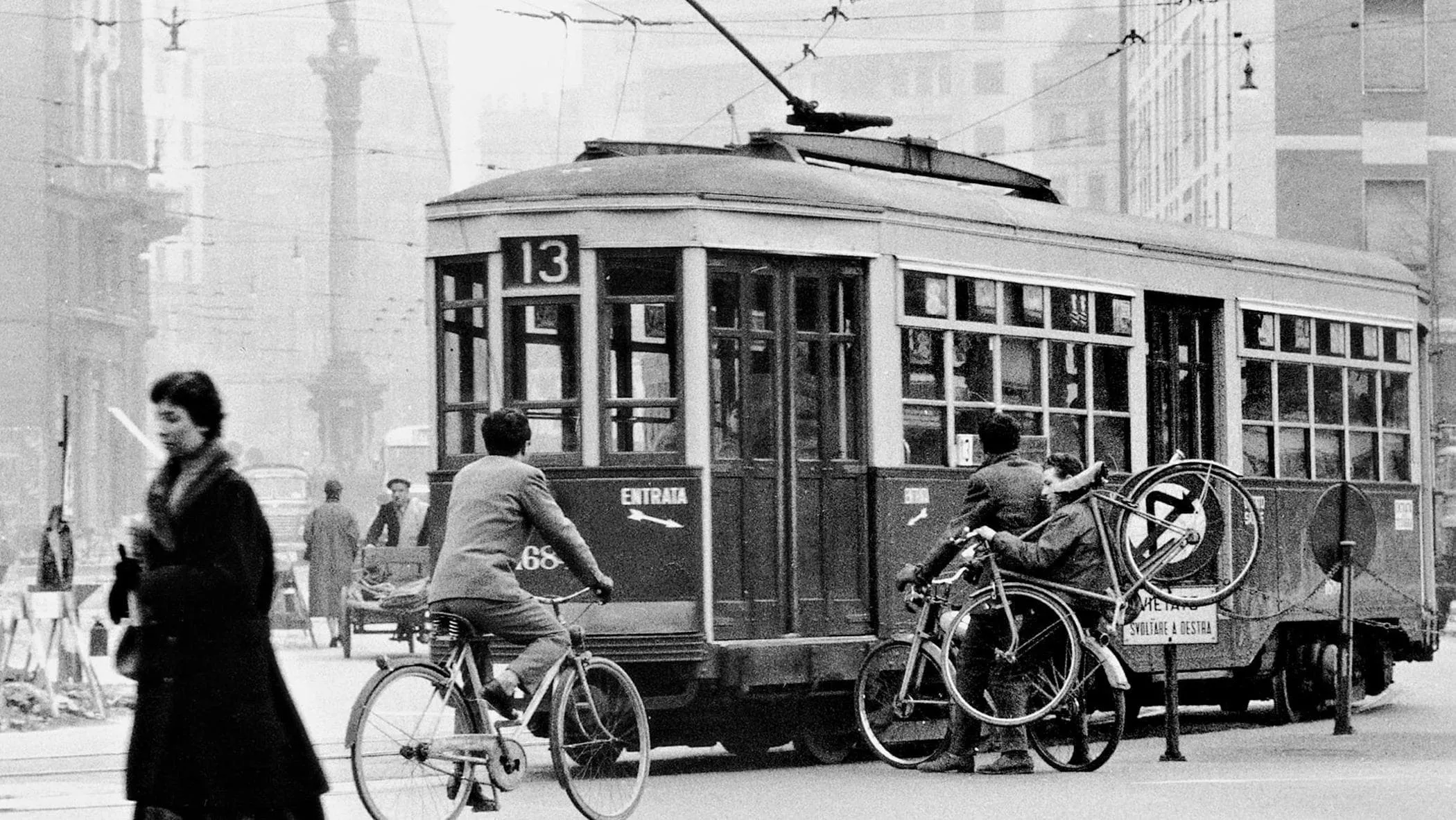
In the 1950s and 60s, Milan led Italy's 'Economic Miracle.' It became a city of opportunity, attracting workers from all over the south. The Pirelli Tower, an elegant modernist skyscraper, rose as a symbol of this new prosperity and confidence.
During this time, Milan cemented its reputation as the driver of the Italian economy—pragmatic, hardworking, and forward-looking. Driving through the business districts, you can feel the pulse of a city that never really stops working.
The Fashion Capital
From the 1970s and 80s onwards, Milan became synonymous with fashion. Designers like Armani, Versace, and Prada turned the city into a global style runway. The 'Quadrilatero della Moda' is the beating heart of this industry.
As your bus circles the city center, you are never far from a flagship store or a design studio. Fashion isn't just an industry here; it's part of the culture. Even the passersby on the street often look like they've stepped out of a magazine, maintaining the city's reputation for 'bella figura.'
Art and Culture: La Scala and Brera
Beyond business and fashion, Milan is a cultural giant. Teatro alla Scala is perhaps the most famous opera house in the world, a temple for Verdi and Puccini. Hopper off here puts you on hallowed musical ground.
Nearby, the Brera district is the artistic soul of the city, home to the Academy and the Pinacoteca, filled with masterpieces by Raphael and Caravaggio. Its narrow, cobbled streets offer a bohemian contrast to the wide avenues, perfect for a wandering break from the bus ride.
The Future: Porta Nuova and CityLife
Milan never stops evolving. In recent years, entire new districts have risen. Porta Nuova boasts the Vertical Forest, two residential towers adorned with trees, symbolizing a commitment to sustainability. CityLife features towers by world-renowned architects like Hadid and Libeskind.
These areas represent 21st-century Milan: international, green, and daring. The hop-on hop-off bus connects these futuristic zones with the ancient center, allowing you to travel through time in just a few stops.
Milan's Enduring Spirit
Milan is often called the 'moral capital' of Italy. It is a city of doers, artists, and innovators. It may not have the gentle light of Rome or the seaside charm of Naples, but it has an energy that is addictive.
Your journey on the hop-on hop-off bus is more than a sightseeing tour; it's an introduction to a city that has reinvented itself a dozen times and continues to lead Italy into the future. From Roman stones to glass skyscrapers, Milan is a story of constant motion.